
Adventures in Dominican Republic_Puerto Plata


Nini Caffaro started his professional singing career as a singer in 1959, when he participated in the Santo Domingo television show La Hora del Moro, hosted by Rafael Solano. In 1968 he achieved international fame with a song written by the same Senor Solano entitled, “Por Amor”. 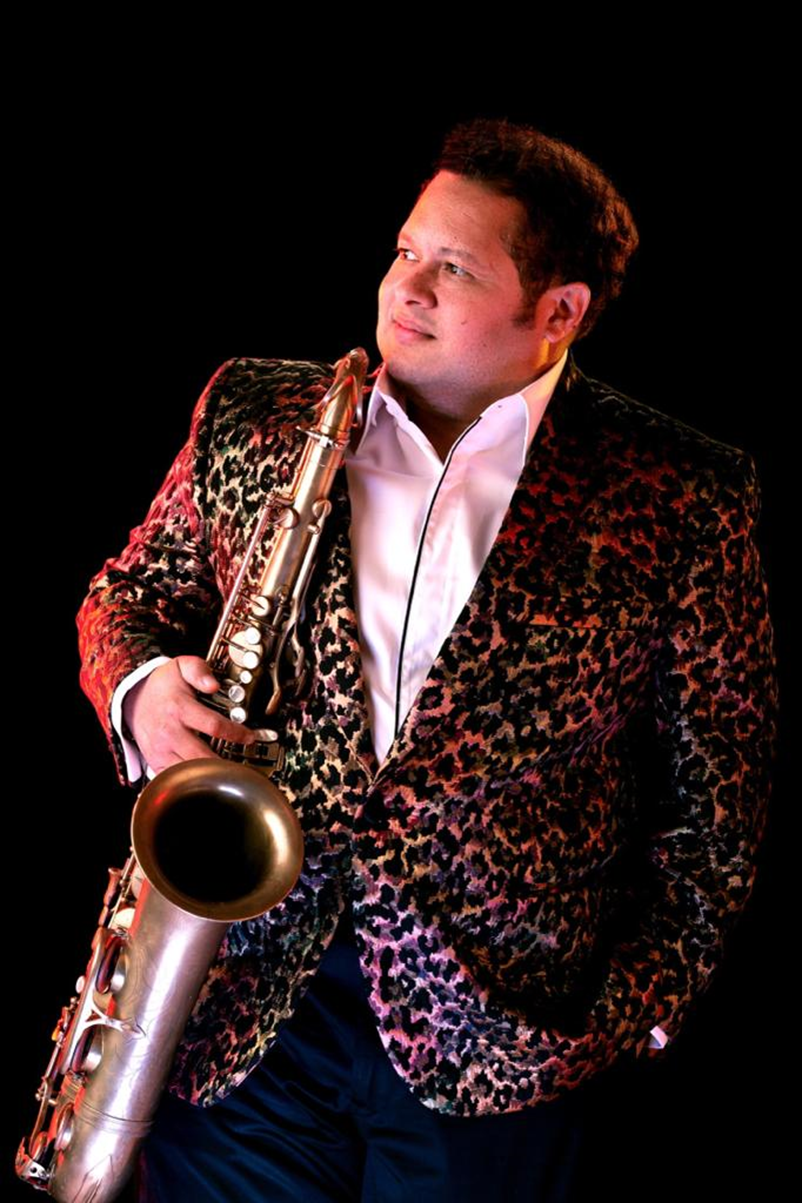
Sandy Gabriel born on the north coast of the Dominica Republic in the city of Nagua began to study music with his father, Socrates Gabriel a well-known Dominican saxophone player at age 14. His professional career began in the city of Puerto Plata. In time he collaborated with Rafael Solano on several musical projects notably on the song “En La Oscuridad”. Senor Gabriel is known as a music producer, composer, arranger, and saxophonist. 
Cecilia Garcia is a Dominican actress, singer, host, television producer, and theater actress. She is currently in rehearsal for the production of, “Hello, Dolly” opening on July 18, 2025 at the National Theatre in Santo Domingo. 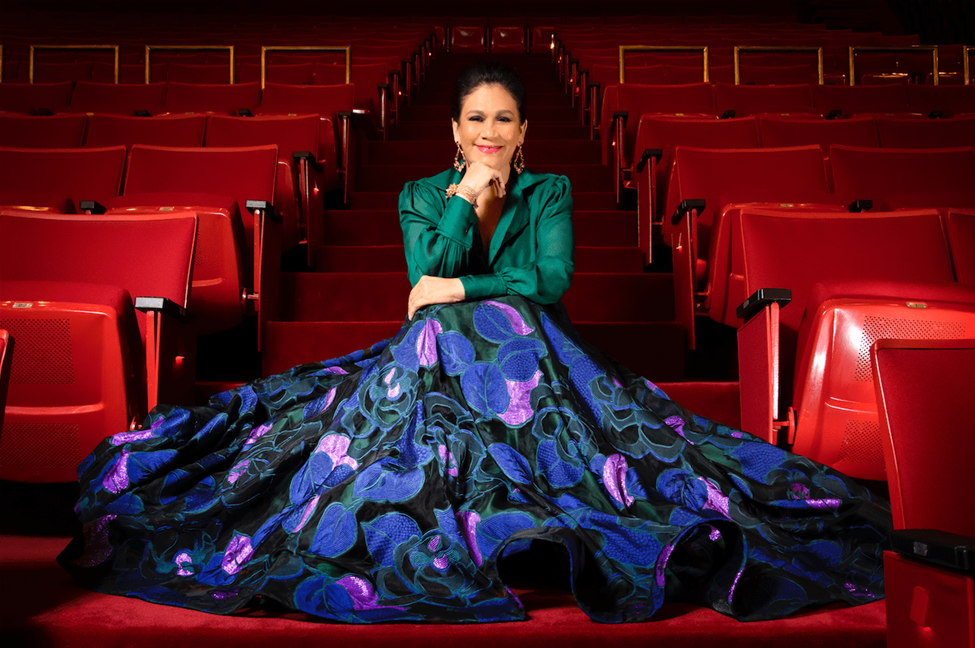
Maridalia Hernández was originally trained as a lyrical singer, pianist, and cellist but started her professional career as a pop singer. She teamed up with Juan Luis Guerra who would go on to be one of the most internationally recognized Latin artists. Together they assembled the successful bachata-merengue quartet, “ 440”. 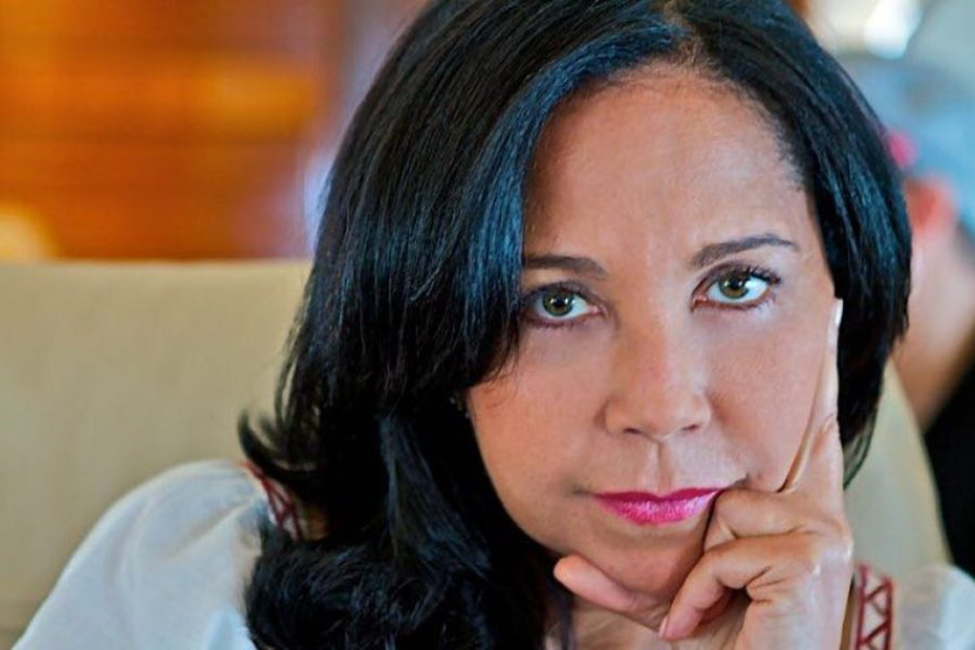
In 1971, the first National Voice Festival was organized by Maestro Solano. One of the competitors was Adalgisa Pantaleón. Recognizing her talent as he had done with so many others Maestro Solano invited her to perform in cities like Santo Domingo and New York along with a soon to be other well-known Dominican artist, Nini Caffaro. She would go on to join Juan Luis Guerra’s group, 440 in performing one of the group’s first international hits, “Como Abeja Al Panal” (Like a Bee to the Honeycomb).
Juan Luis Guerra y La 440 perform,
“Cómo Abeja al Panal”
(Like a Bee to the Honeycomb).
This wonderful tribute concert was held to honour one of Puerto Plata’s own. Rafael Solano Sánchez who in my opinion is the Dominican Republic’s David Foster was in born just down the street from Jose’s house. During the tribute concert Maestro Solano said that when he was a child there were more pianos being played in the streets of Puerto Plata than there were cars. Jose has often told me that his mother, Dahlia was an accomplished piano player and that it was customary for groups of musicians to meet at one another’s homes to play music. This is the Puerto Plata I would loved to have been a part of. Maestro Solano started his performance career at San Felipe Cathedral. The Cathedral is the mother church of the Diocese of Puerto Plata and….it is where Jose was baptized. Maestro Solano went on to establish himself as a pianist, songwriter, composer, arranger, author,[1] and former Dominican ambassador to UNESCO.[2][3] He is credited with writing over a hundred songs of various genres that include romantic, folk, as well as choral, religious, and merengue music. The song that he is perhaps best known for, “Por Amor” was performed by these very talented Dominican musicians who were all together one more time.
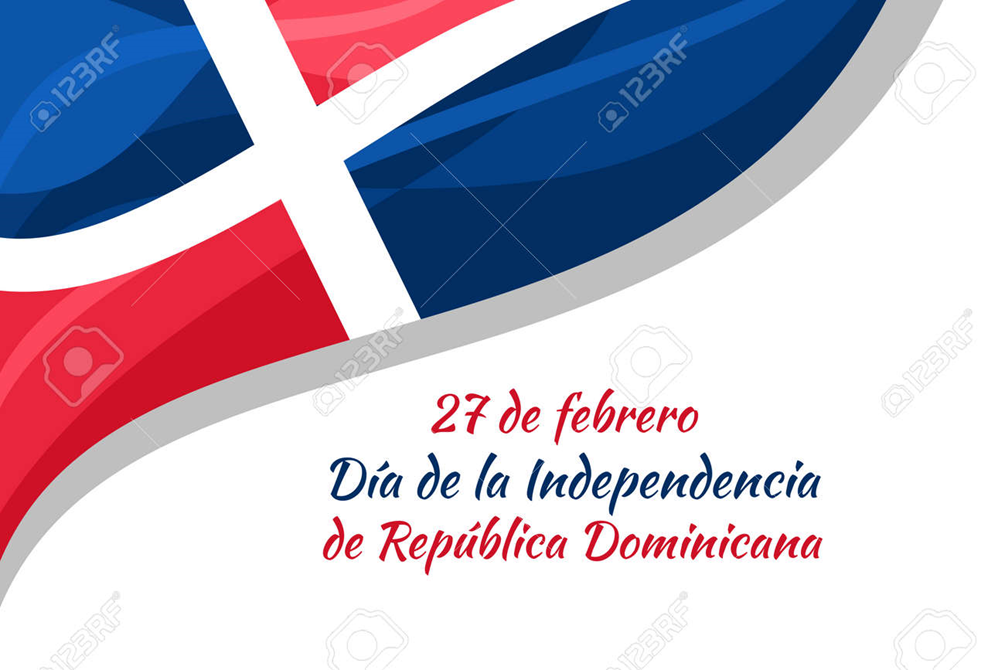

At 10:00 p.m. February 27, 1844 a shot from a blunderbuss was heard when Matías Ramón Mella shot at the Puerta de la Misericordia (Mercy Gate), Santo Domingo. The sound in the air, known as, “El Trabucazo” (the blunderbuss) signalled independence from Haiti 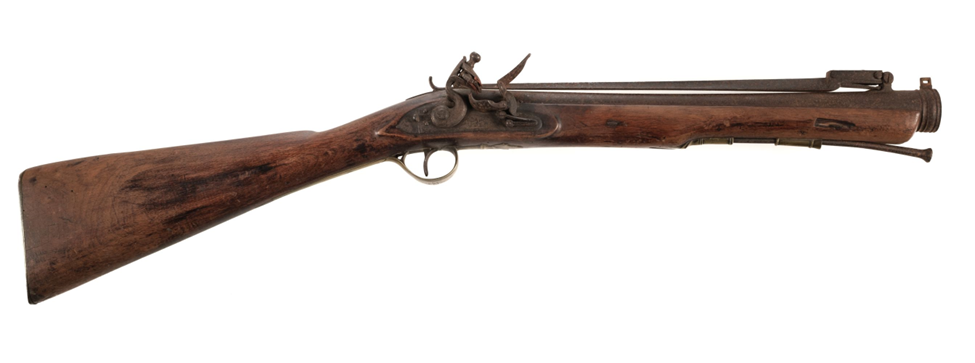
Matías Ramón Mella may have fired a blunderbuss similar to this early 19th century flintlock firearm 
Built in 1543 by Rodrigo de Liendo, “La Puerta de la Misericordia” (The Mercy Gate), was part of the walled defense system of the Colonial City. The gate is the oldest segment and still stands today 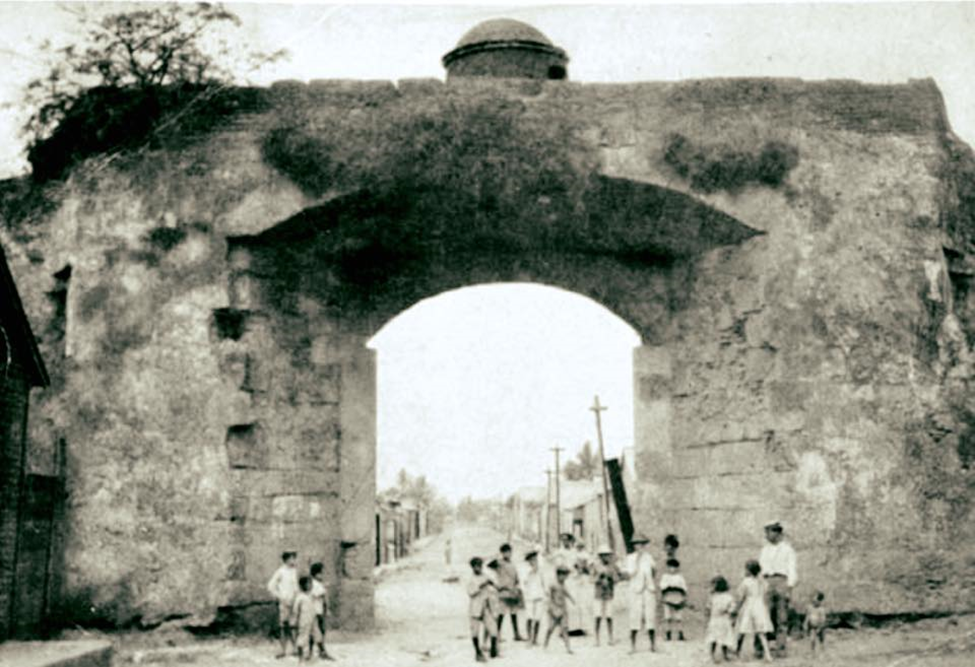
This photo taken circa 1910, shows how much the gate had fallen into dis-repair. Considering that the wall was 367 years old at the time of this photo it was amazing that it was still standing. 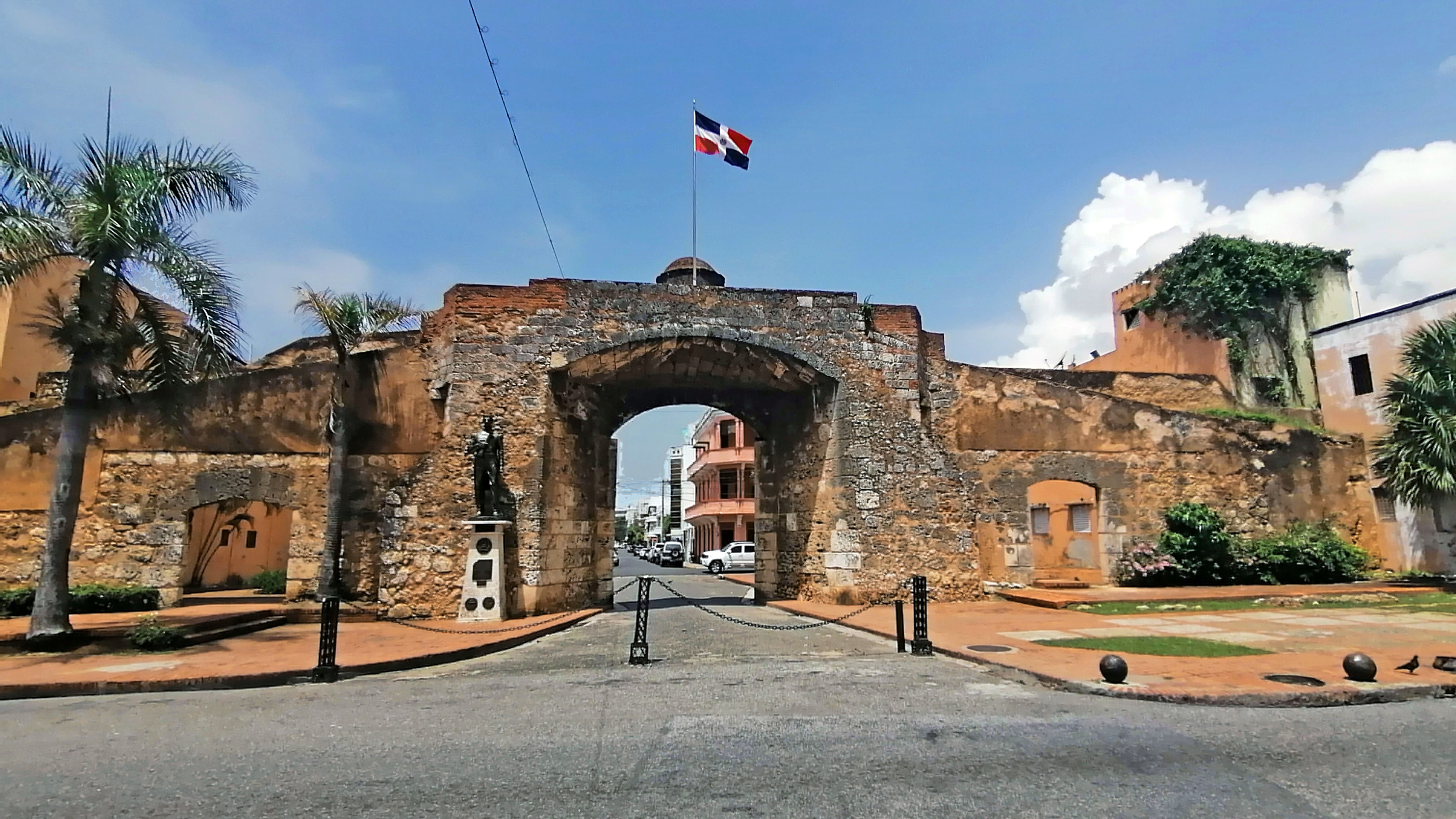
In recent years there has been acknowledgement that a variety of monuments and public spaces in the Colonial City of Santo Domingo have not been preserved and respected as heritage and historical sites. Sadly, lack of maintenance and upkeep have led to severe deterioration as shown in this photo taken in 2020 
In an effort to encourage tourists to visit Santo Domingo restoration projects were prioritized as far back as the 1990s. 2013 saw an agreement signed between two ministries signifying inter-institutional cooperation when restoring historical sites in Santo Domingo. One ministry was “Comité Ejecutor de Infraestructuras de Zonas Turísticas” (CEIZTUR) (Ministry of Tourism’s Infrastructure Executive Committee in Tourist Zones) 
The second ministry, “Dirección Nacional de Patrimonio Monumental del Ministerio de Cultura” (The Ministry of Culture’s National Directorate of Monumental Heritage) agreed to collaborate with CEIZTUR on the restoration of the “Ciudad Colonial” (Colonial City 
In 1990, the Colonial City of Santo Domingo was declared a UNESCO World Heritage Site 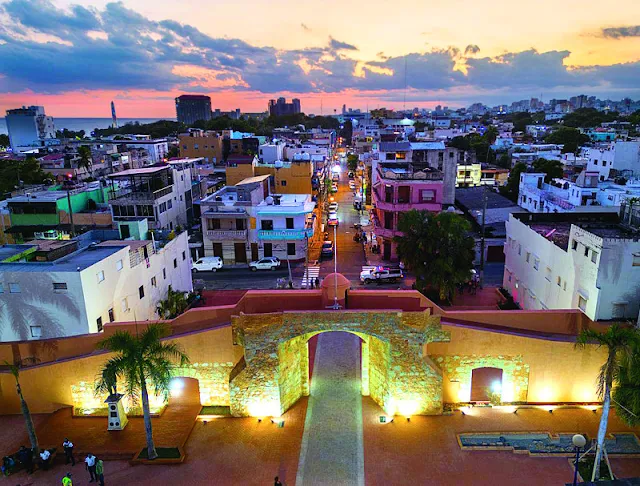
Restoration of the , “La Puerta de la Misericordia” (The Mercy Gate) started in 1980 was finally finished in 2024 
A small group then walked from “La Puerta de la Misericordia” (The Mercy Gate) to the “La Puerta del Conde” (The Count’s Gate) 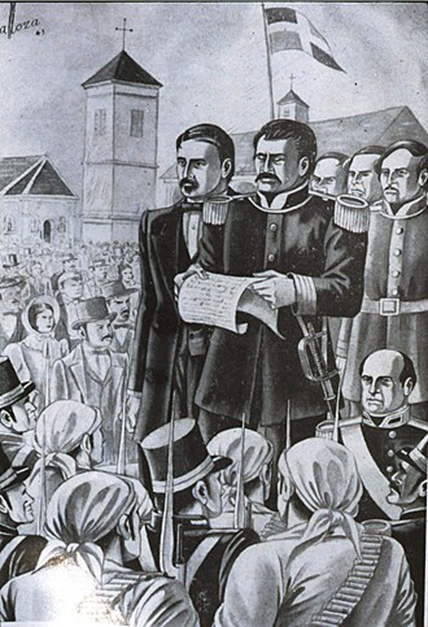
“La Trinitaria” (The Trinitarian) upon arriving at “La Puerta del Conde” (The Count’s Gate) declared the Dominican Republic’s independence from Haiti with the proclamation of the “Constitutive Act of the Dominican State,” (aka The Dominican Declaration of Independence) 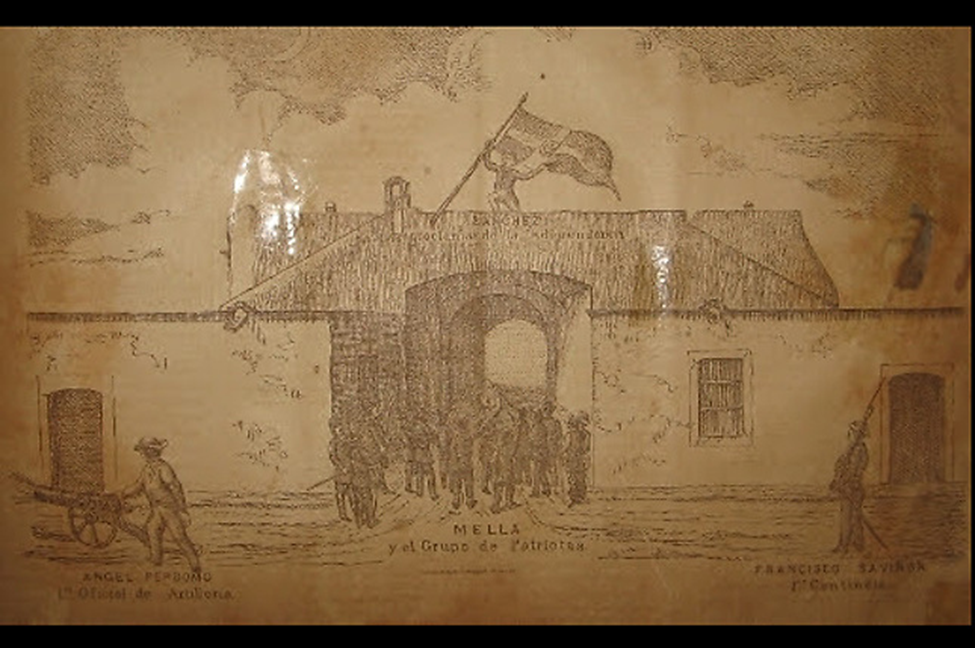
At dawn on February 28, 1844 the flag that had been carefully embroidered by these two brave women was raised for the first time by Francisco del Rosario Sánchez proclaiming Dominican independence 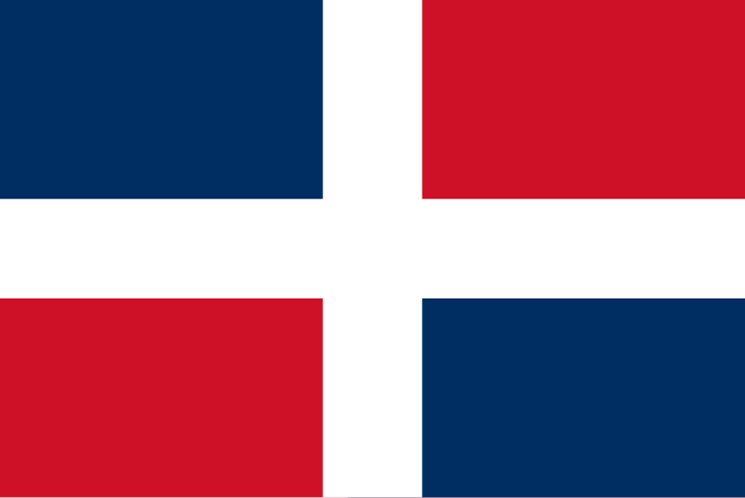
The early plans for an independent country had begun long before that night in 1844. On July 16, 1838 Juan Pablo Duarte and eight confidants (the “Triniatrios”) met and confirmed the decision to fight for the proclamation of what would be called, the Dominican Republic. Duarte’s design for a flag included a tricolour pavilion in red and blue quarters crossed by a white cross. The white cross symbolized redemption. 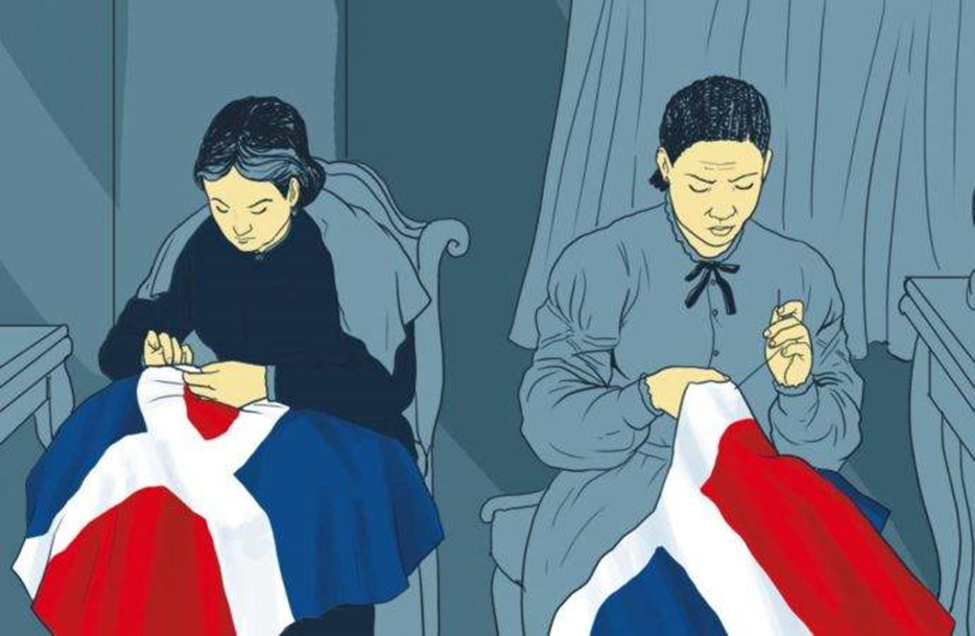
At some point after this meeting two women, María Concepción Bona and her cousin María De Jesús Pina set to work embroidering the new flag 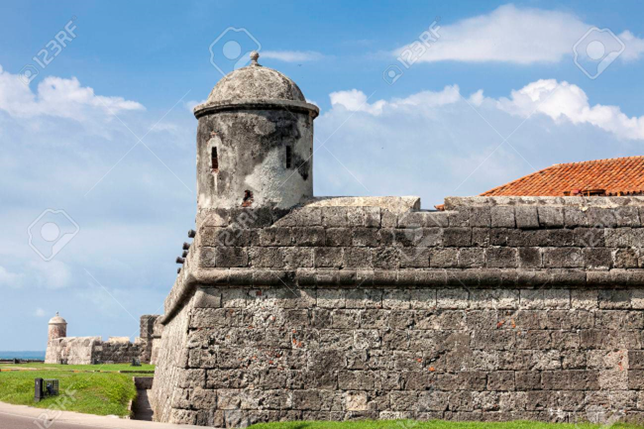
Santo Domingo had been built as a fortified city with” La Puerta del Conde” (The Count’s Gate) serving as the main entrance. The gate is part of “El Baluarte del Conde” (The Count’s Bulwark), a fort in “Ciudad Colonial” (Santo Domingo, colonial area) 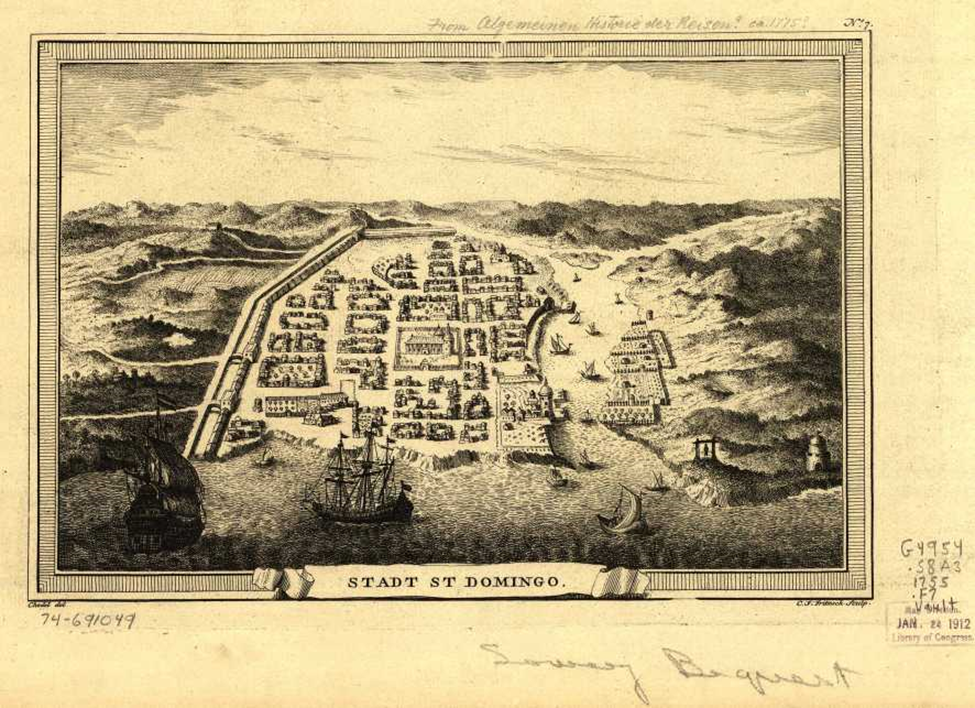
A defensive wall surrounded “Ciudad Colonial” of which “El Baluarte del Conde” (The Count’s Bulwark), was part of a larger system of fortifications. This map (1755), entitled “Stadt St. Domingo” (German, City of Santo Domingo) by Christian Friedrich (C.F.) Fritzsch, (sculpture) and Pierre Quentin Chedel (French, printmaker) shows a perspective map not drawn to scale of the city at that point in time 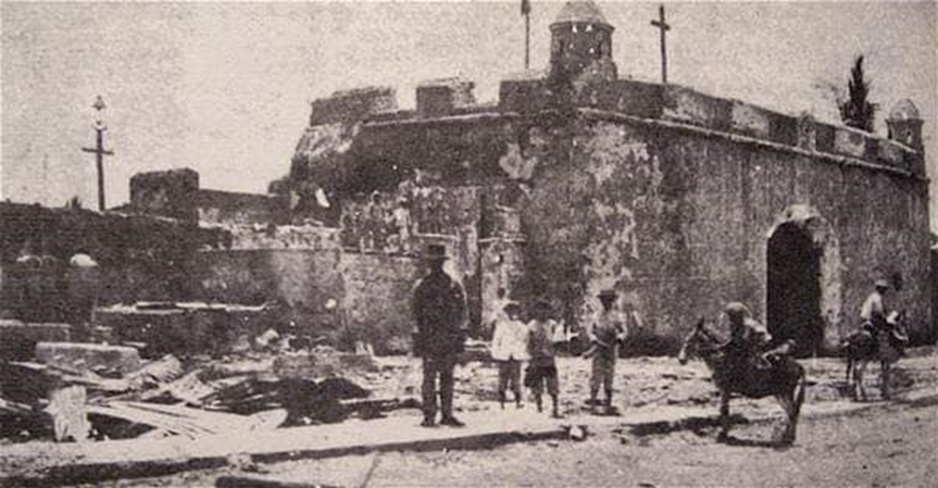
1905 Like “La Puerta de la Misericordia” (The Mercy Gate), “El Baluarte del Conde” (The Count’s Bulwark) had fallen into serious dis-repair 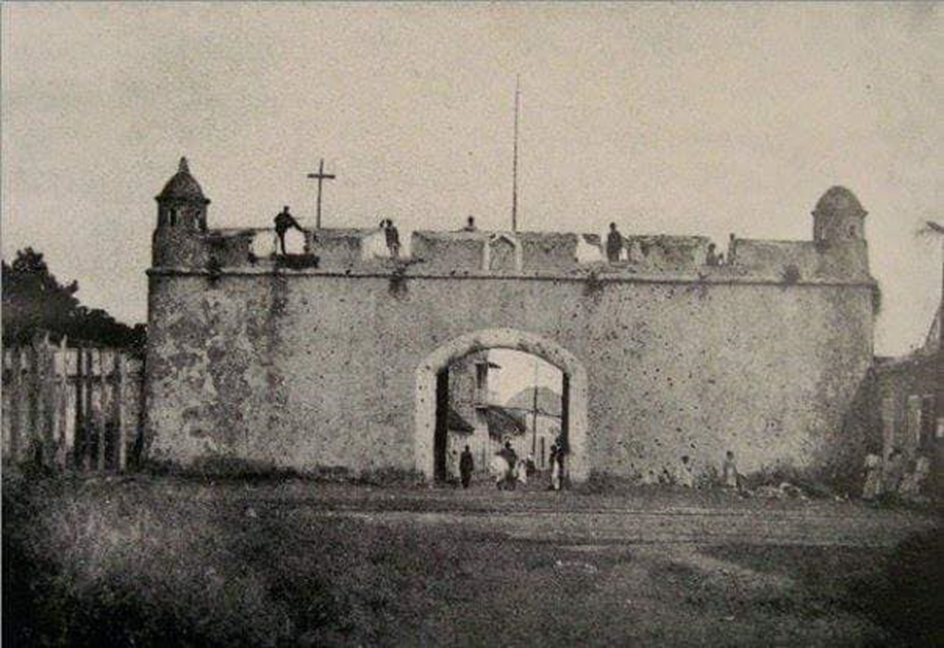
date unknown 
Restored “La Puerta del Conde” (The Count’s Gate) 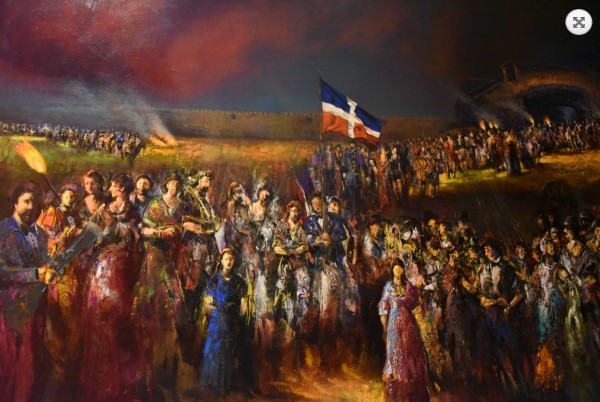
Despite all the work done to establish the nation’s foundation as a free and sovereign state the individuals involved would soon learn they were not yet done
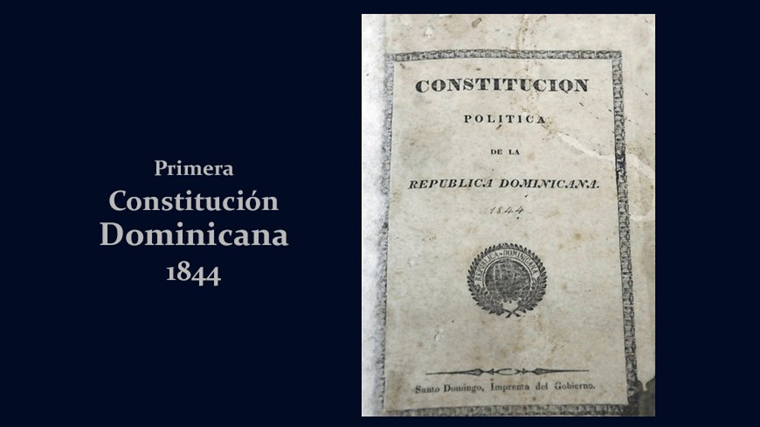
On November 6, 1844, the first constitution of the Dominican Republic was proclaimed in San Cristóbal. The document is often referred to as the “Constitución de San Cristóbal “(Constitution of San Cristóbal) 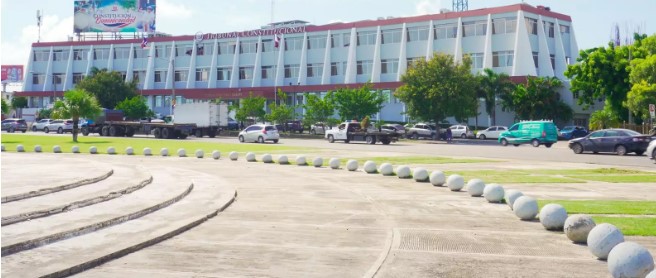
The 1844 Constitution of San Cristóbal, is stored in the archives of the Dominican Republic Constitutional Tribunal Building 
The constitution established a presidential system and a bicameral legislature. The “Palacio Nacional” (National Palace) shown here houses the executive branch (presidency and vice presidency) 
(2006 inauguration) “El Monumento a Los Constituyentes” (The Monument to the Constituents), San Cristóbal. Honours the thirty-three members involved in the writing of the first Constitution of the Dominican Republic
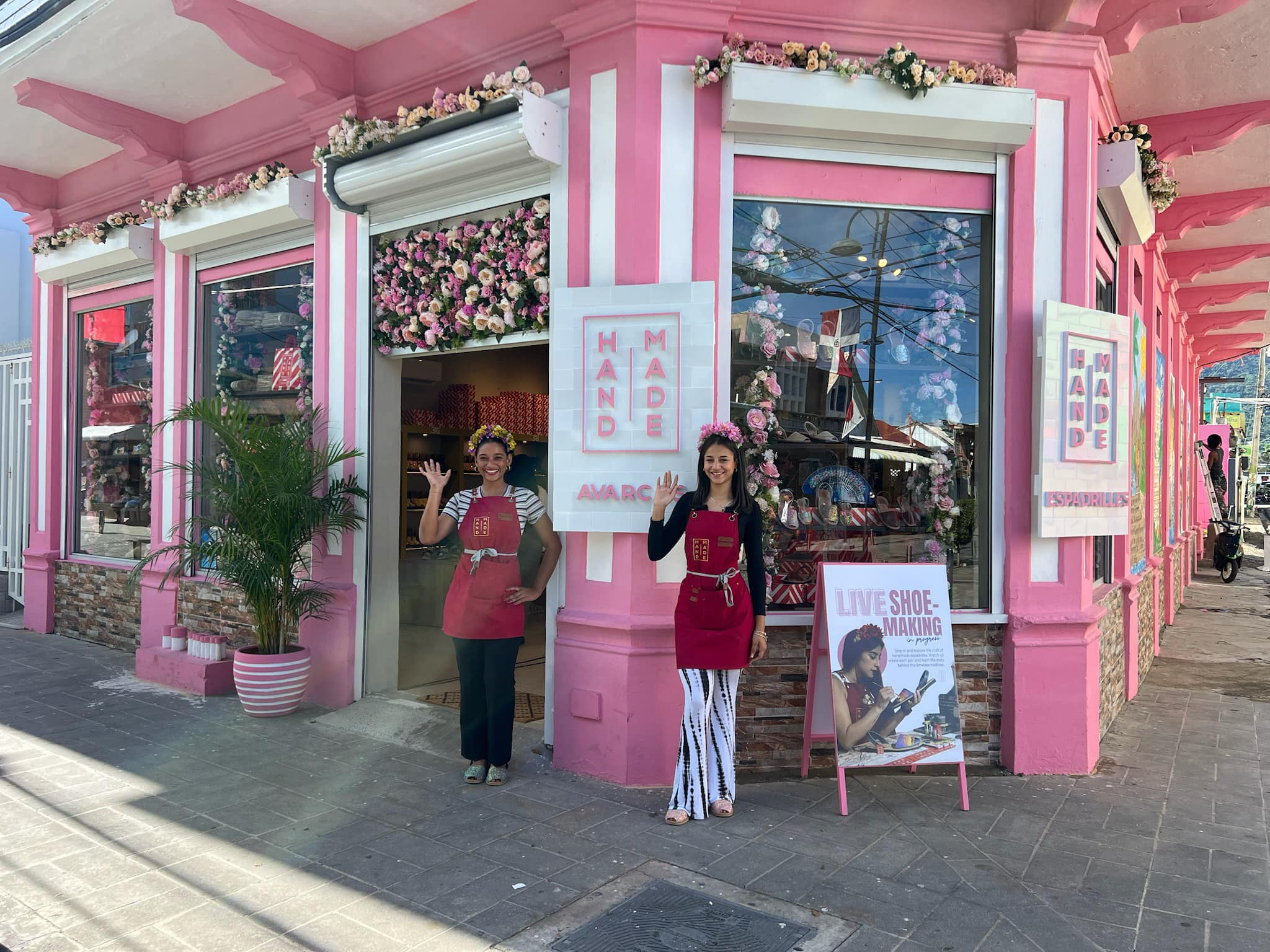


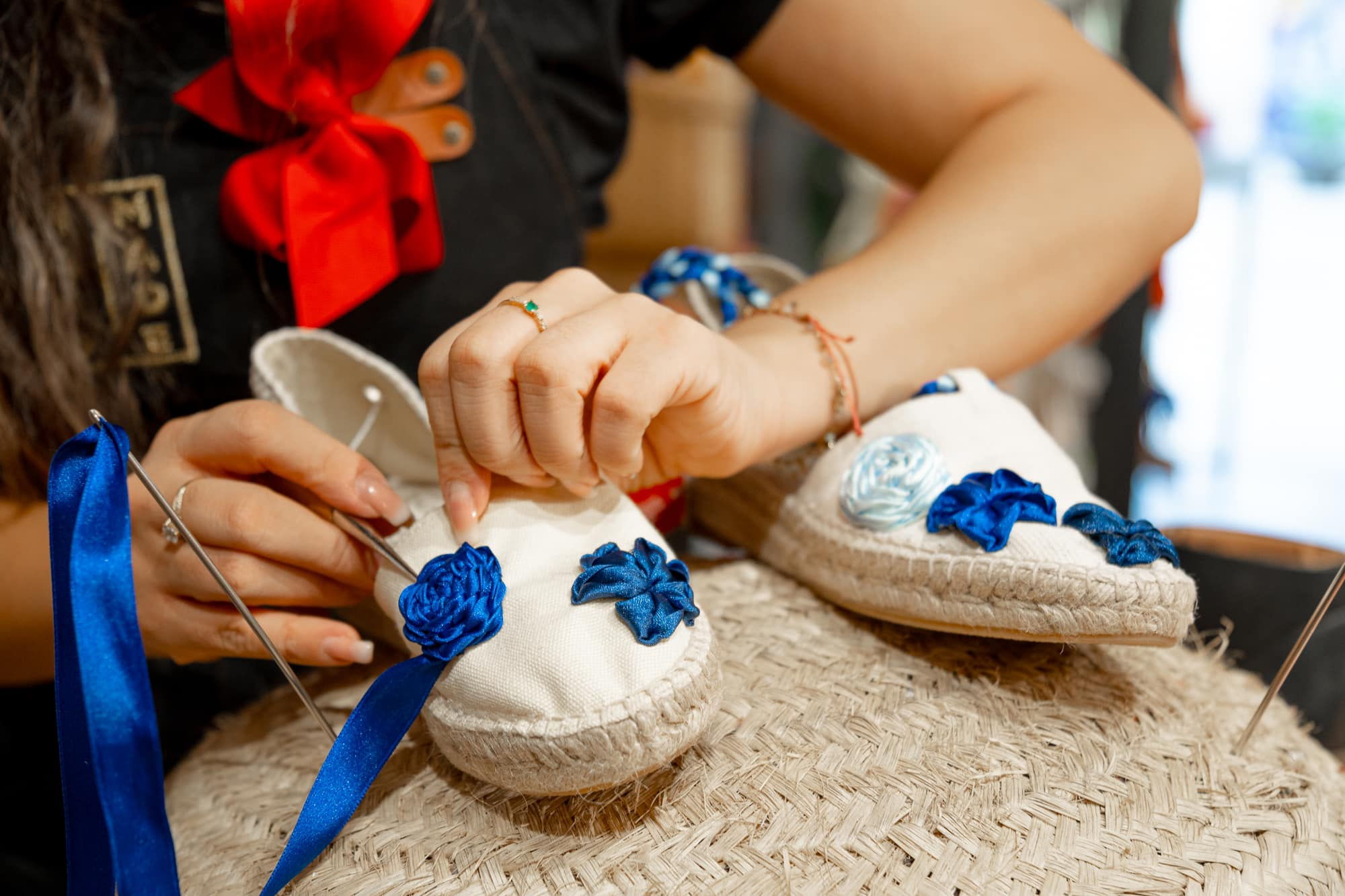

oh my goodness!!!! cutest little shop ever. This is a chain of stores (could be franchises) that started in Spain. Wonder how it would do in Edmonton…..hmmmm….for information visit the web site at: https://handmadethebrand.com/pages/our-story

2025_Carnaval! 
Press Conference announcing the 500th!!! year of the Puerto Plata Carnaval! 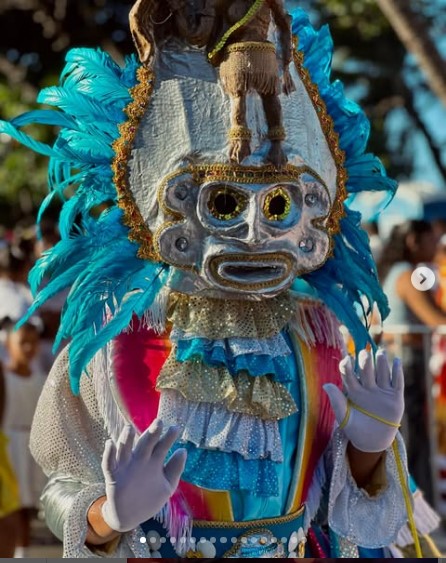
Carnaval opens with El Diablo CojuiloDiablo Cojuelo (limping devil)….so mischievious he was pushed down to earth…the Los Lechones de Imbert were the first of ten groups portraying El Diablo Cojuelo 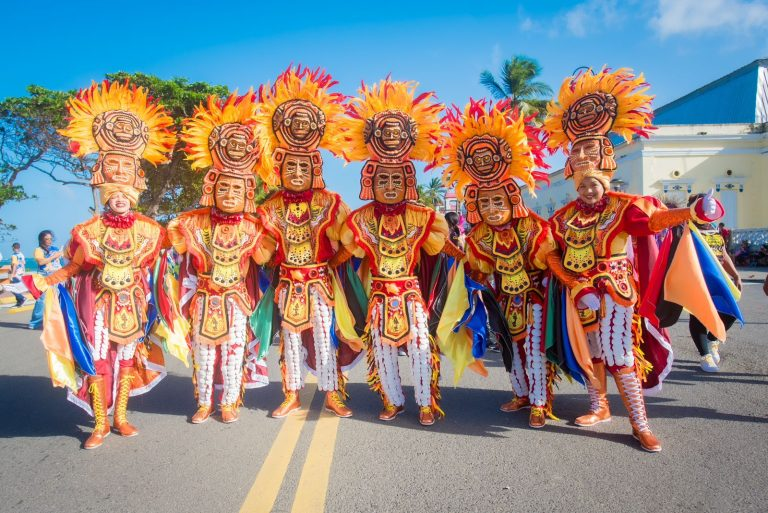
Fourteen different, “tribes” (groups) represent the Taimáscaro this year. 
This Carnaval character was created in 1991 by a group of young people in Puerto Plata. They wanted to represent the three cultures in the Dominican Republic: the Taino, the Spanish, and the African. 
The word, “Taimáscaro” is made of two words, Taino (ancestral inhabitants of the Caribbean islands, believed to have migrated from the mouth of the Orinoco River in South America. In the Dominican Republic they settled at a set of 27 waterfalls known as the Damajagua Waterfalls,) and the word, “mascaero” (mask). 
The, “Taimáscaro” costume consists of: • snail shells collected from the coast of the Atlantic and attached to a tight pair of pants symbolizing mermaids • Taíno pictographs painted on a Spanish blouse and cape • a belt alluding to the Taíno culture • coloured scarves tied to the arms, representing African religiosity • a mask represented by Taíno figures and deities Can you see the individual parts of the costumes in each photo? 
The Diablos Cojuelos and the Taimáscaros are followed by modern-day groups and individuals…..not sure but this could be a rhythmic gymnastic group!
The Spaniards, during the 15th century, brought with them a tradition, Carnaval Dominicano. This tradition has evolved into the modern day Carnaval that is celebrated each year starting on February xx, ending on the first Sunday in March .
Originally, elaborate costumes were made reflecting how the Indigenous Peoples and Africans perceived the colonial masters. Over time, a Dominican version of the history and folklore of the country’s thirty-one provinces as told by characters based on the mixing of these three groups evolved. Here’s hoping I get to Carnaval next year to take my own photos!

so many incredible events going on in Puerto Plata that do not get advertised but I am on it… 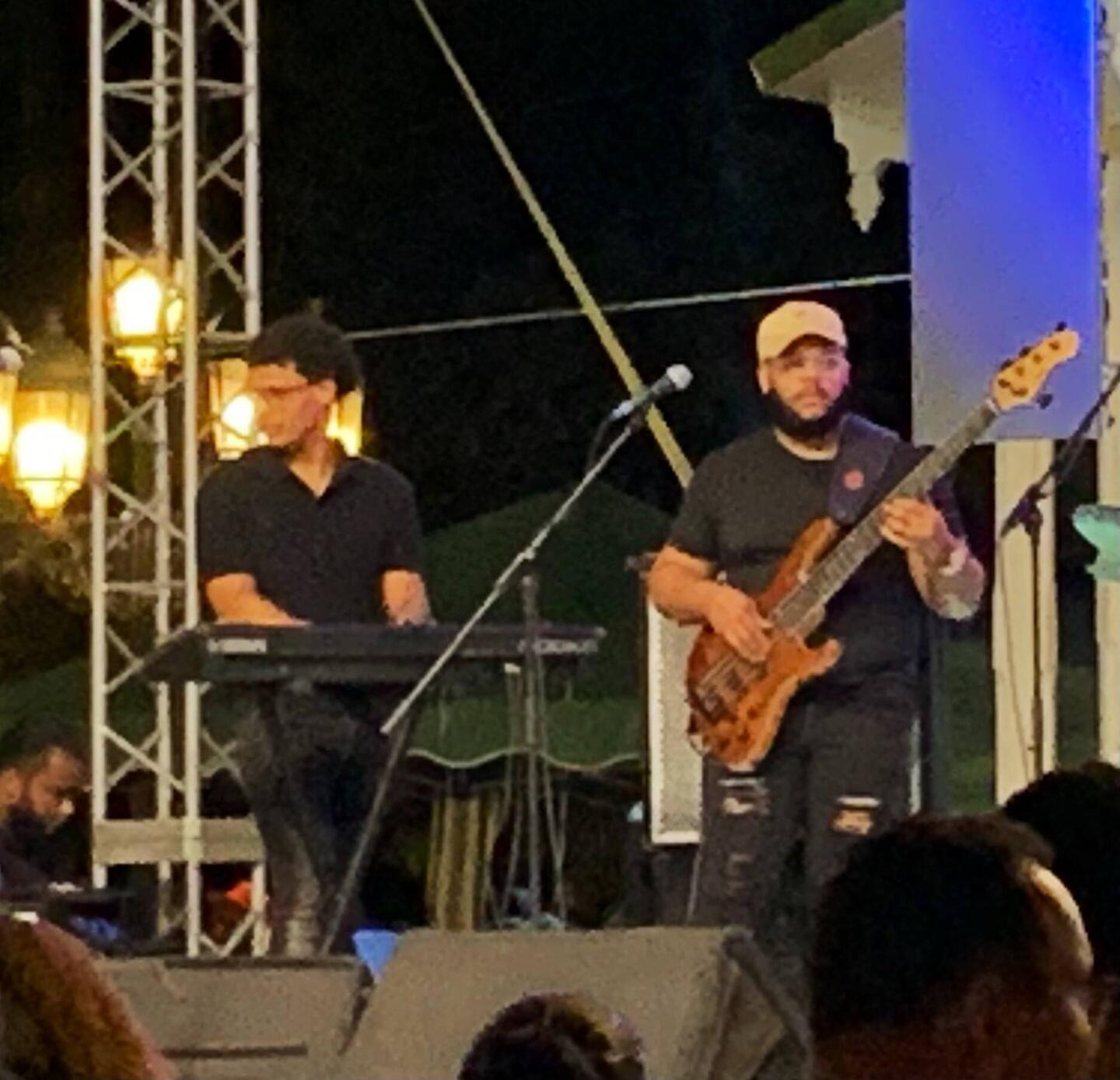
Friday night’s entertainment…..only 1 photo made the cut….2 of DR’s incredibly talented musicians 
that’s a wrap…. good night… 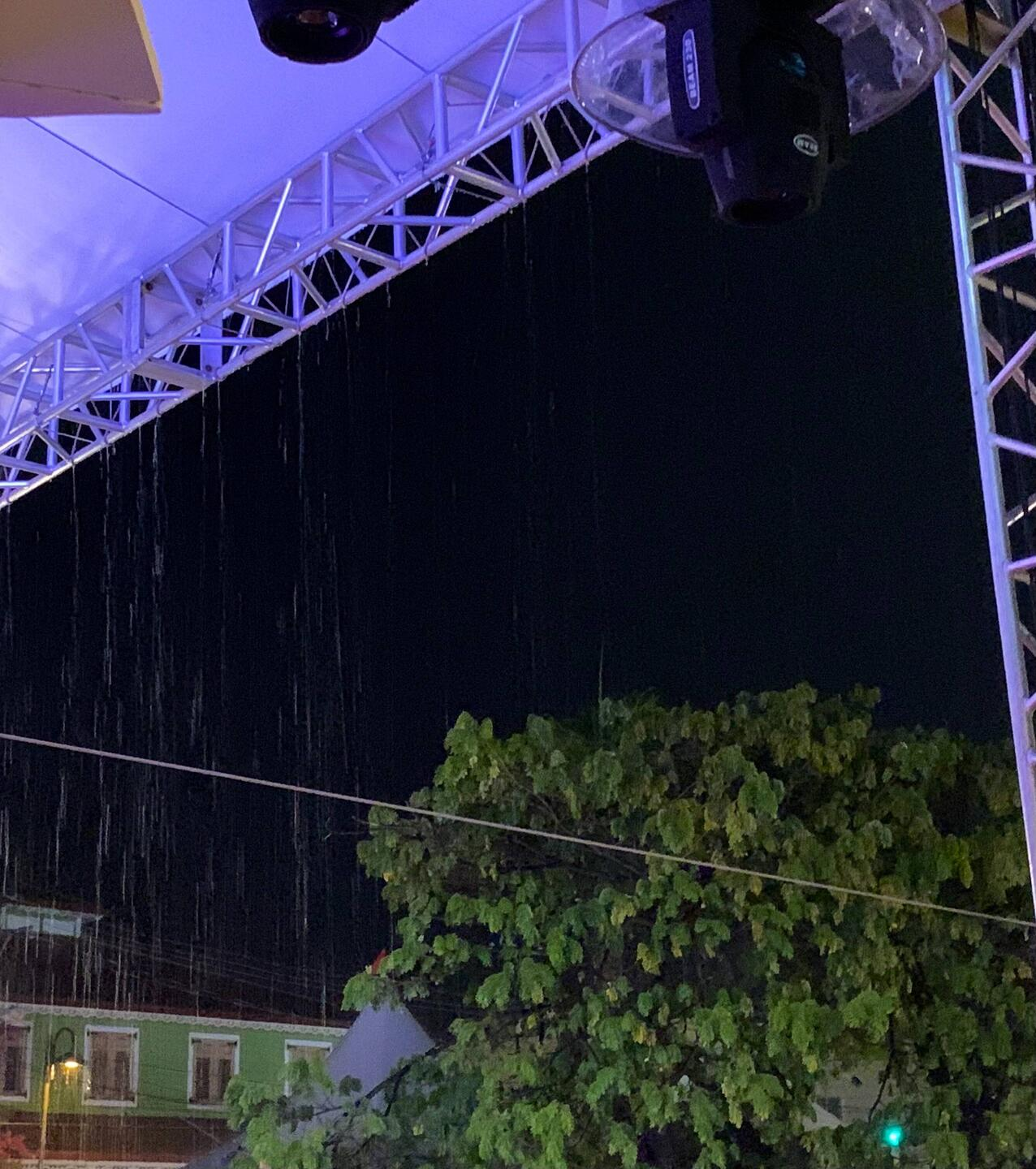
if there is a festival….it rains….. 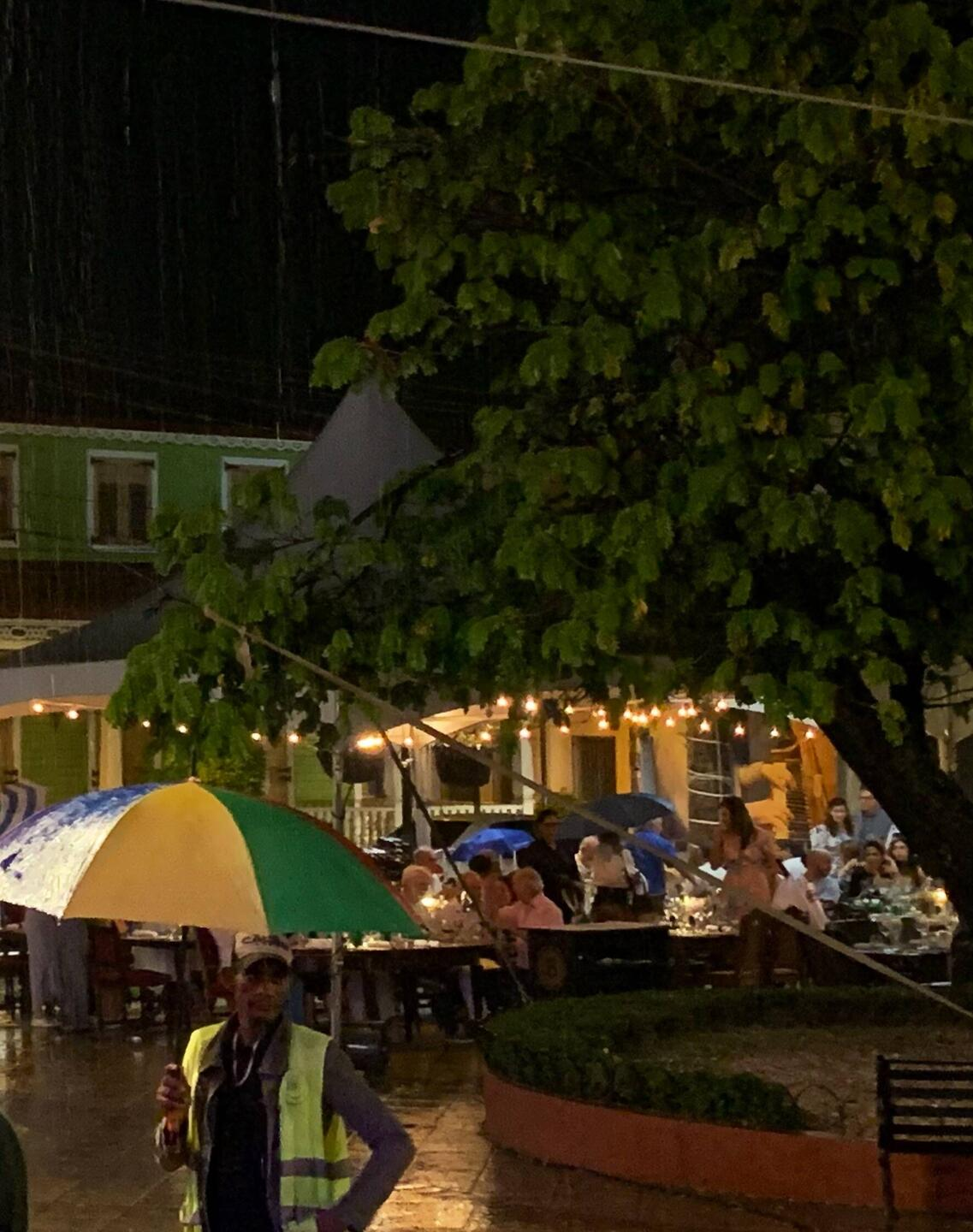
but the Dominicans just get out the umbrella and wait for it to pass over….. 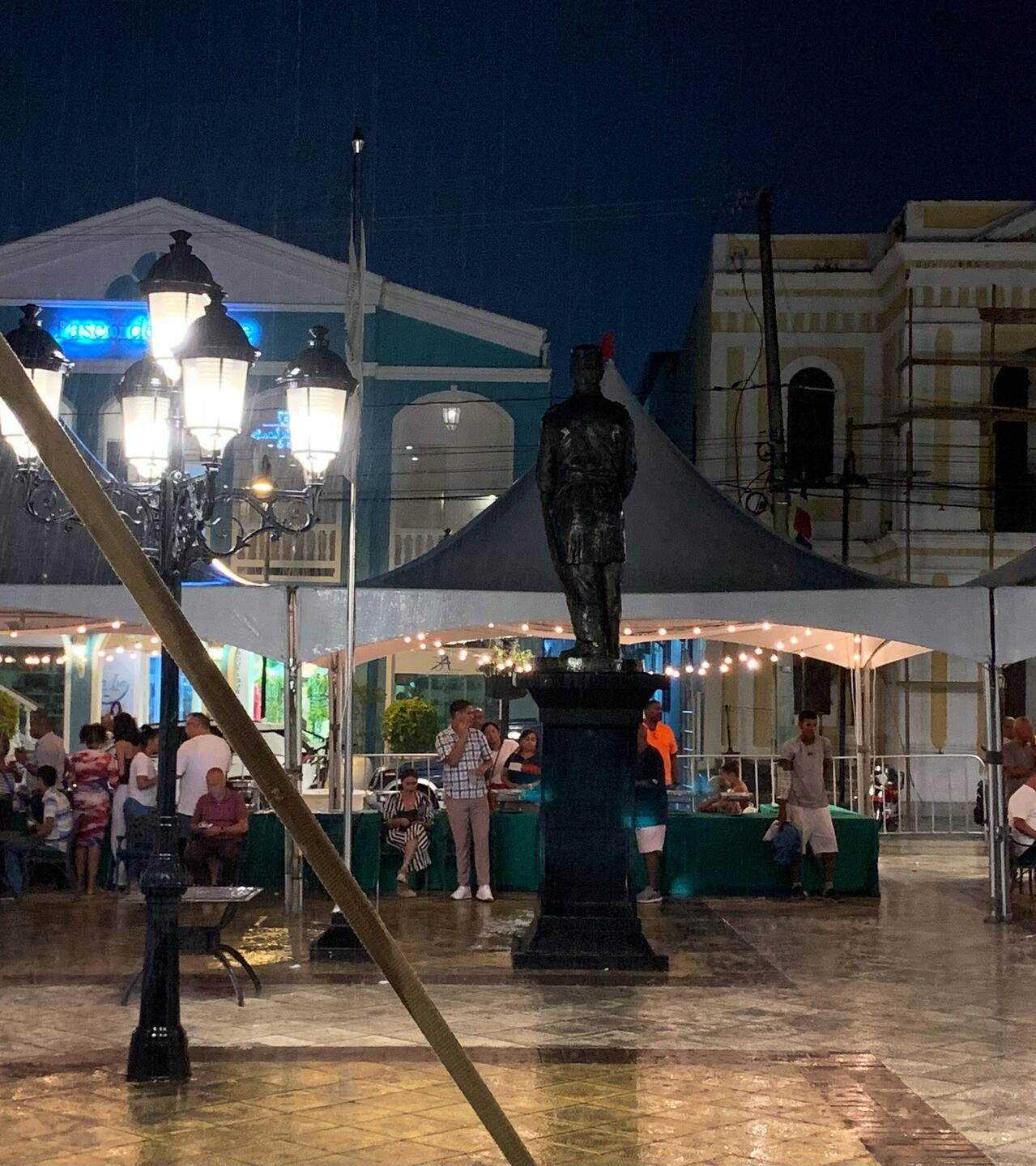
even the statues wait patiently…. 
what do you think guys? Does the show go on? 
let’s give it a few more minutes… 
looks like we are down one guitarist…. 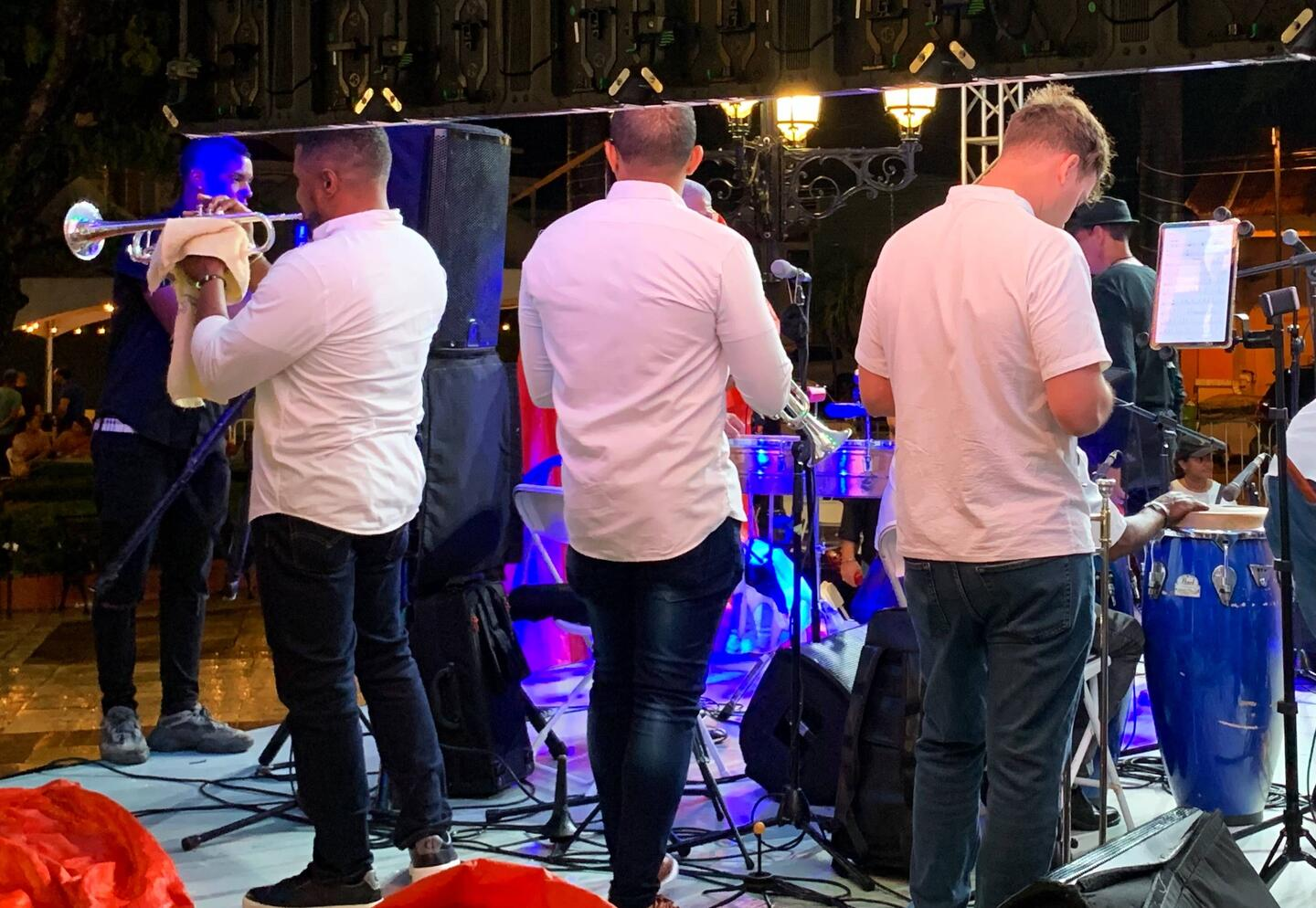
OK….let’s warm up… 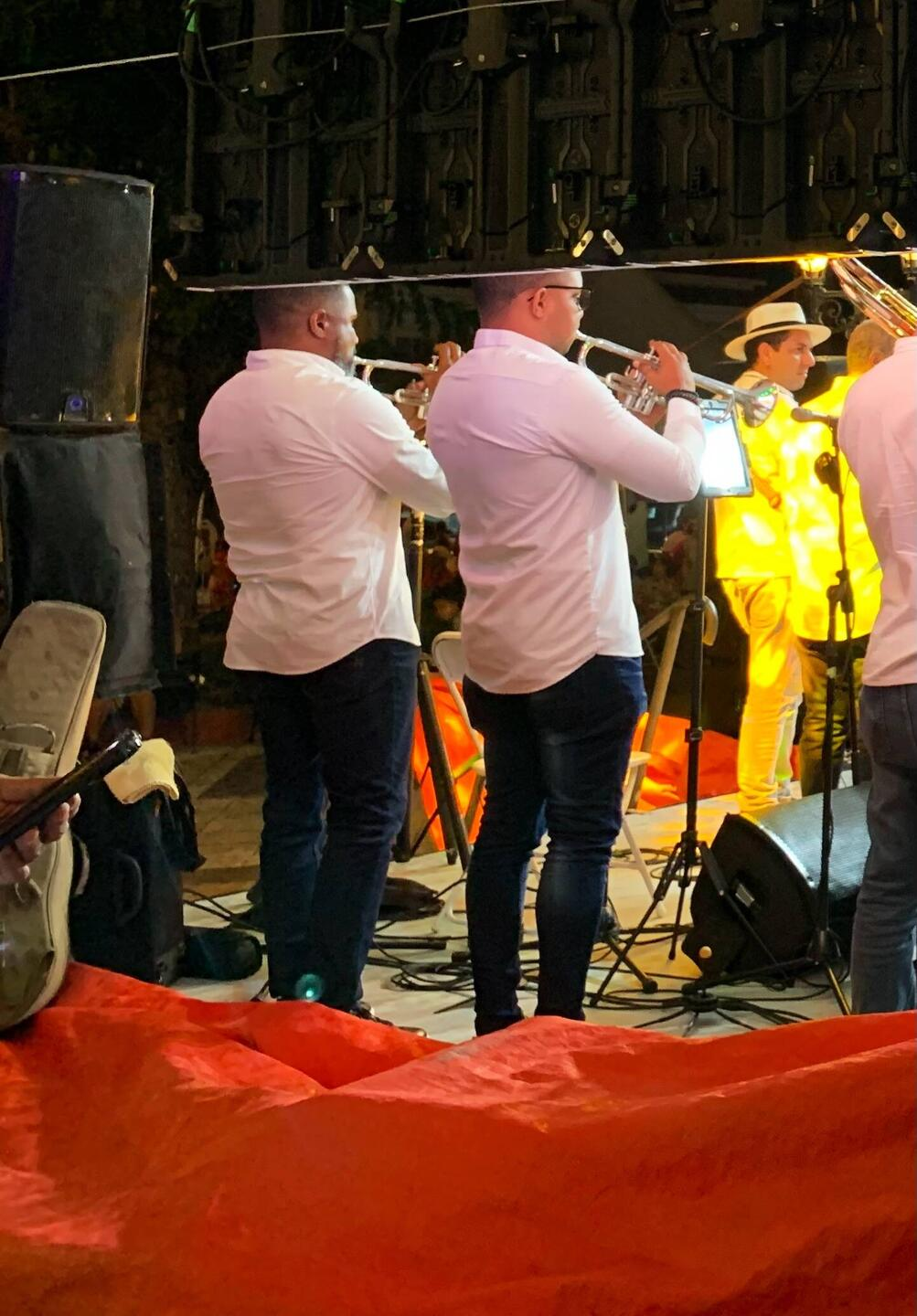
oh… he’s back… 
and the vocalists are here…..one anna two anna three….
Friday, September 20. 2024
entertainment was provided by: Carolyn
http://www.youtube.com/watch
v=2eU41bvT0CE
Saturday, September 21, 2024
I had a backstage pass to this event on Saturday night thanks to the rain…
entertainment was provided by: Grupo Bonye
https://www.youtube.com/watch?v=erTbG5uZvDc
Monday, September 22, 2024
This group is inclusive as all the lyrics are displayed on a big screen in case there are hearing-impaired people like me in the crowd….or people who cannot understand a word of Spanish but can get the gist by reading it…..like me….
entertainment was provided by: Grupo Manerra
http://www.youtube.com/watch?v=tR-t4LwZzoc
Can hardly wait to see what is on the menu tomorrow night!

Yet another event we missed out on due to a lack of communication in Puerto Plata. Beautiful posters are designed but there does not seem to be a central place to advertise. I am finding that Instagram seems to be a popular location to advertise….once one knows what to look for…..sheesh….
Once again, Puerto Plata…..I did not know about this event until it was all over…..grrrr….on my calendar for nest year…..
 Forwarding Address_Dominican Republic